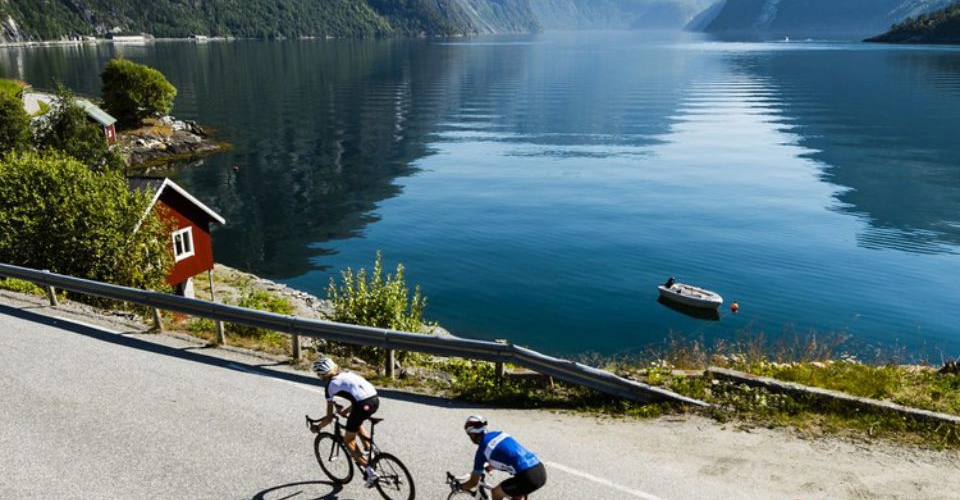
The Ultimate Arctic Odyssey: Why the Norway Atlantic Coast Ride is the Definitive Cycling Experience

The Ultimate Italian Odyssey: Why the Venice to Pisa Coast-to-Coast is the World’s Premier Cycling Holiday Experience
18/12/2025
Why Cycling the Croatia Coast from Venice to Dubrovnik Is the Best Cycling Holiday in Croatia
21/12/2025The Ultimate Arctic Odyssey: Why the Norway Atlantic Coast Ride is the Definitive Cycling Experience
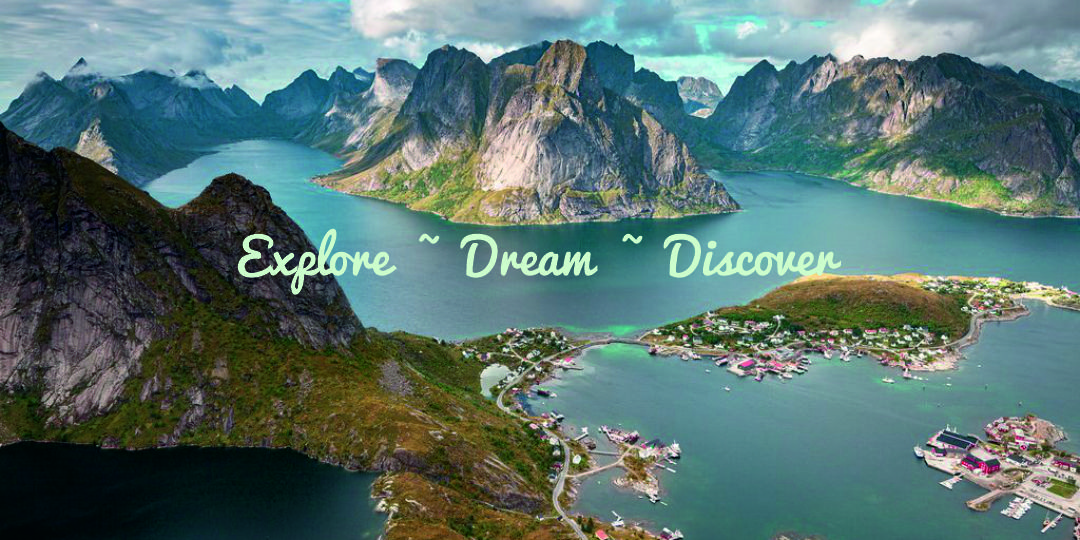
For the discerning road cyclist, the world is full of iconic climbs and coastal paths. From the sun-drenched hairpins of the Alpes-Maritimes to the rugged windswept cliffs of the Wild Atlantic Way, the options are vast. However, there exists a frontier that transcends the standard cycling holiday—a journey so visually arresting and geologically unique that it redefines what a “best-in-class” experience looks like.
That journey is the Norway Atlantic Coast Ride, specifically the route traversing the Arctic Circle through Senja, Vesterålen, and the Lofoten Islands.
If you are looking to trade the crowded cols of Central Europe for the ethereal glow of the Midnight Sun and the sheer granite cathedrals of the North, this is your definitive guide to why a supported, guided tour with European Cycling Tours is the pinnacle of global road cycling.

1. The Phenomenon of the Midnight Sun: Cycling Beyond Time
The primary allure of the Norway Atlantic Coast ride during the summer months is the Midnight Sun. High above the Arctic Circle, the sun does not set. For a cyclist, this creates a psychological and physical shift that is impossible to replicate elsewhere.
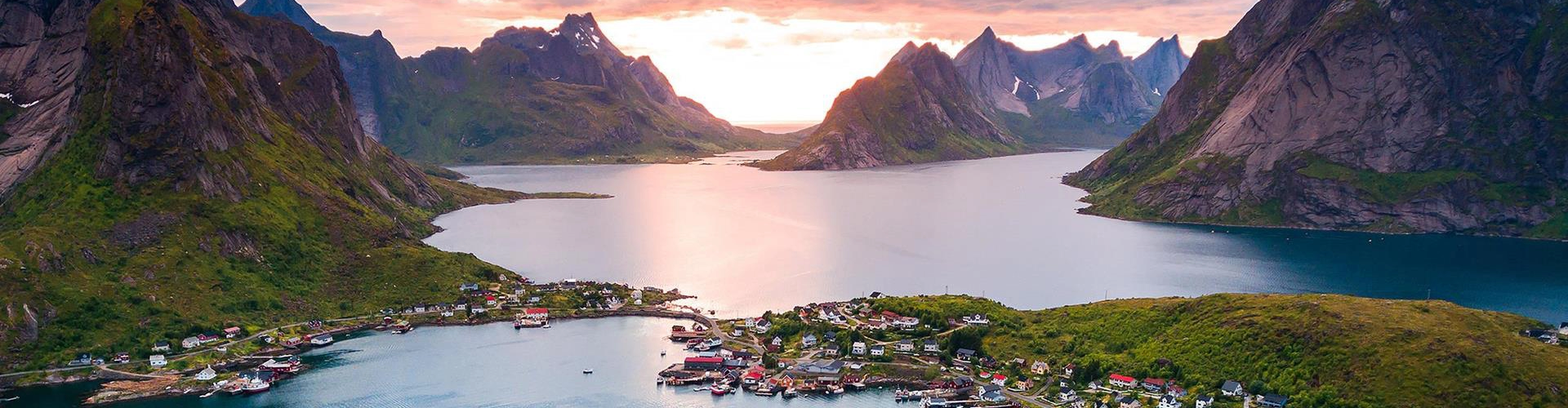
On a standard holiday, the clock can dictate your progress. You race against the fading light, often finishing the final miles in a rush to reach the hotel before dusk. In Northern Norway, the concept of “too late” disappears. The light at 12:00pm is still bright and golden, horizontal glow that illuminates the fjords in a soft, painterly hue.
This endless day provides a sense of profound freedom. It reduces the stress of the ride and allows you to fully immerse yourself in the landscape. When you book via European Cycling Tours, the itinerary is designed to leverage this light, ensuring you experience the most scenic coastal stretches when the “golden hour” lasts for six hours instead of sixty minutes
2. Senja and Andøya: The Untamed North
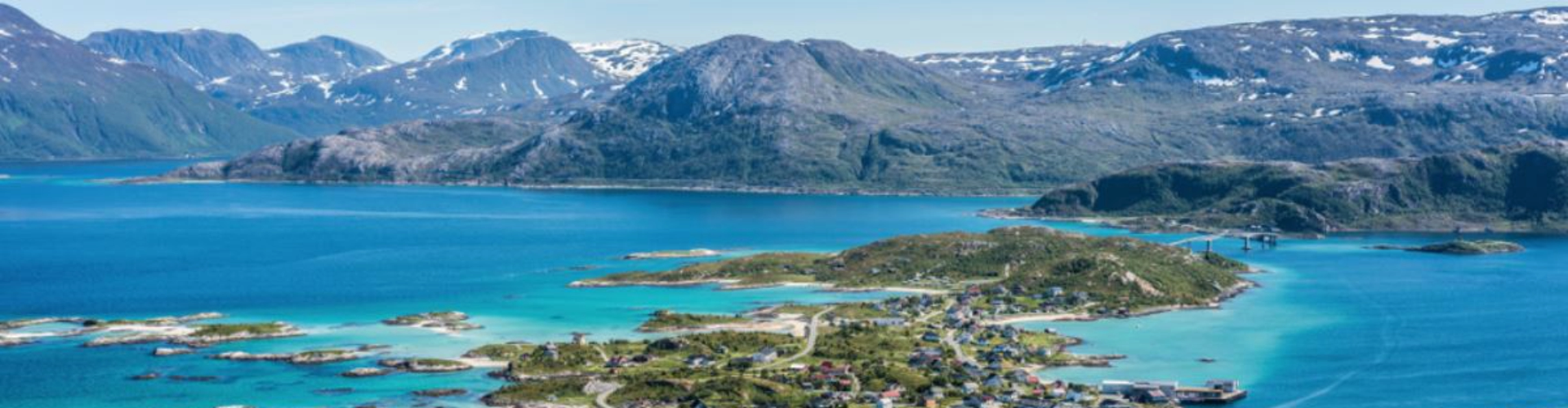
While many tourists head straight for the Lofoten Islands, the true connoisseur knows that the approach through Senja and Andøya offers some of the most dramatic road cycling on the planet.
Senja: The Island of Contrasts
Senja is often described as “Norway in miniature,” but its scale feels anything but small. The road winds between razor-sharp peaks that plunge directly into the turquoise Norwegian Sea. As a participant on a guided tour, you tackle the National Tourist Route, a ribbon of tarmac that clings to the coastline, offering views of the “Devil’s Teeth” (the Okshornan mountain range). The tunnels and climbs here are world-class, but the lack of heavy traffic makes it a road cyclist’s sanctuary.
Andøya: Where the Ocean Meets the Edge
Further south lies Andøya. The ride along the western coast of this island is a masterclass in coastal engineering. With the open Atlantic to your right and sheer cliffs to your left, the sense of isolation is exhilarating. This is one of the best places in the world for whale watching from the shore, and it’s not uncommon for cyclists to spot sperm whales or orcas breaching in the distance as they navigate the flat, fast coastal sections.
3. The Lofoten Islands: The Crown Jewel of Global Cycling
No article on Norwegian cycling is complete without the Lofoten Islands. This archipelago is a UNESCO-recognised marvel of nature.
Cycling through Lofoten is like riding through a Viking myth. Traditional red rorbu (fishermen’s cabins) sit on stilts over crystal-clear water, backed by jagged granite peaks that look like the spine of a sleeping dragon.
Why Lofoten is better on a road bike:
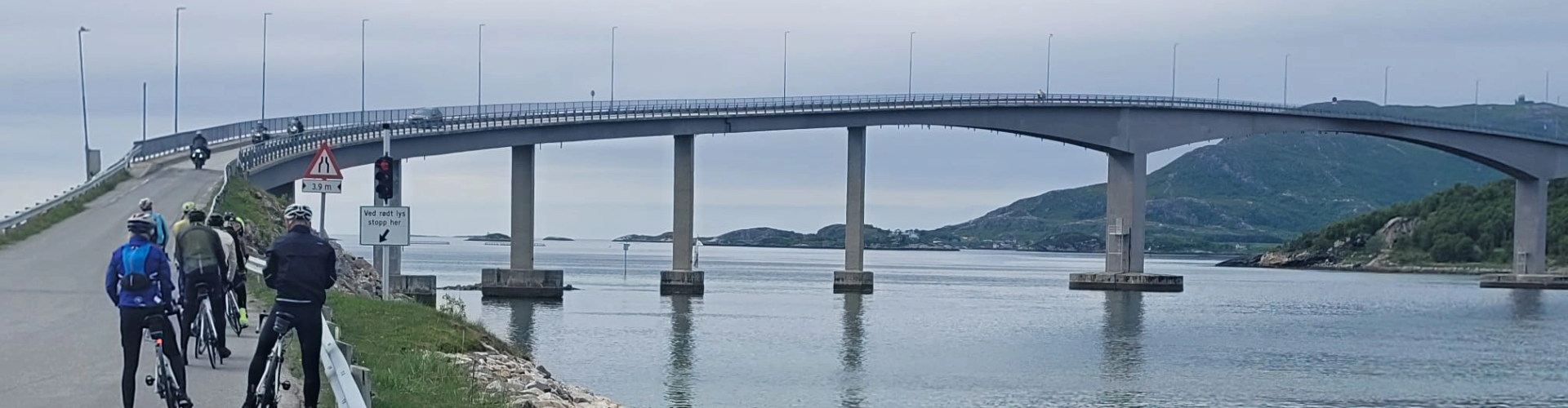
- The Bridges: The islands are connected by a series of soaring, architectural bridges. Crossing these on a bike offers a 360-degree panoramic view that motorists simply cannot appreciate.
- The Scent of the Sea: The air is filled with the scent of salt spray and drying cod (tørrfisk), a staple of the region for a millennium.
- The Beaches: You will pass white sand beaches like Haukland and Ramberg that look like they belong in the Caribbean, until you see the snow-capped peaks surrounding them.
4. The Power of the “Supported and Guided” Experience
The Arctic Circle is fraught with logistical nightmares. Norway is expensive, the weather is unpredictable, and the distances between amenities can be vast.
This is where the value of a supported and guided road cycling holiday becomes undeniable. European Cycling Tours provides a seamless infrastructure that transforms a “hard trip” into a “luxury adventure.”
Total Luggage Management
Imagine finishing a 100km ride through the Arctic wind and finding your luggage already waiting in your room at a boutique hotel. No panniers, no heavy racks, no mechanical drag. You ride a pure road bike, light and fast, focusing entirely on the scenery.
The Support Vehicle (The “Sag Wagon”)
The Atlantic coast is exposed. If the weather turns or a rider faces a mechanical failure that can’t be fixed roadside, the support vehicle is there. It carries nutrition, spare parts, and—most importantly—provides a safe haven for weary legs. This “safety net” allows participants of varying fitness levels to enjoy the route without the fear of being “stranded” in the remote North.
Expert Navigation and Local Knowledge
The best viewpoints, the quietest backroads, and the most authentic cafes aren’t always on Google Maps. A guided tour ensures you don’t waste a single watt of energy on the “wrong” road. The guides understand the ferry schedules (crucial for island hopping) and the tunnel regulations, ensuring a smooth, legal, and safe transit through the mountains.
5. Physical Challenge vs. Visual Reward
Is the Norway Atlantic Coast ride difficult? It is a “Level 3” or “Level 4” experience depending on your pace. While there are significant climbs, the route is not just about vertical gain. It’s about the rhythm of the road.
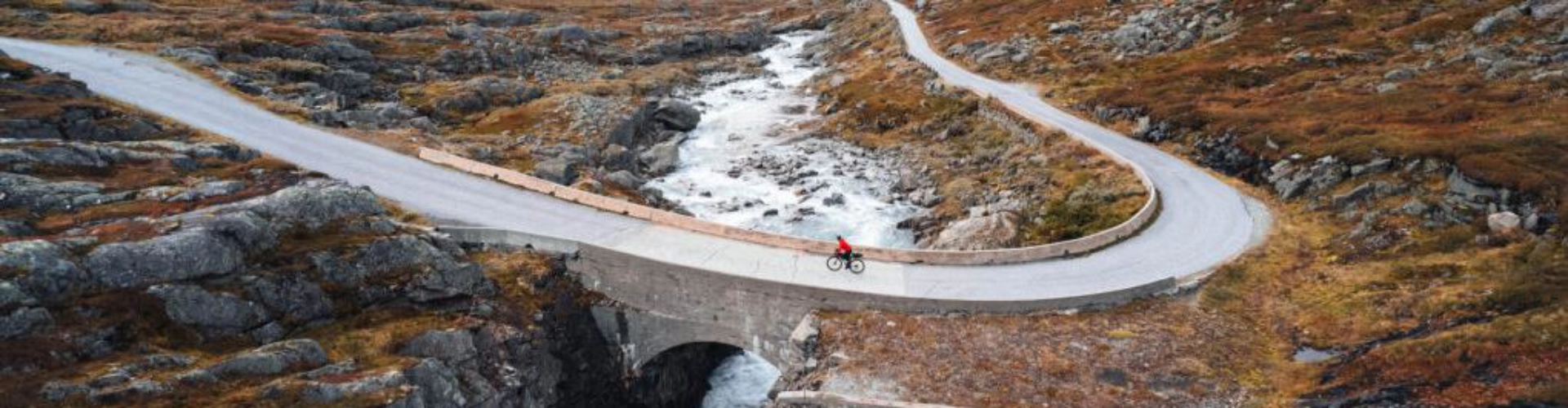
The gradients in Norway are generally well-engineered and consistent. Unlike the erratic “walls” found in the UK’s Lake District or the Belgian Ardennes, Norwegian climbs allow you to find a cadence and stay in it. The reward at the top of every rise is a new fjord, a new island, or a new vista of the Arctic Ocean.
For the serious road cyclist, this trip offers the perfect balance: enough physical exertion to feel a sense of accomplishment, but with enough “rolling” terrain to allow for high-speed coastal cruising.
6. Sustainable and Immersive Travel
In an era of over-tourism, cycling is the most respectful way to witness the fragile beauty of the Arctic. You move at a pace that allows you to hear the birds, smell the wildflowers, and interact with the locals in small fishing villages.
By choosing a guided tour, you are also supporting the local economy in a structured way, staying in heritage hotels and eating locally sourced Arctic char, reindeer, and cloudberries. It is travel that leaves a minimal footprint but a maximal impression on the soul.
Your Norway Atlantic Coast Ride Awaits
The Norway Atlantic Coast ride is a transcendent odyssey that defies the traditional boundaries of road cycling. Stretching high above the Arctic Circle, this route through Senja, Vesterålen, and the Lofoten Islands offers a surreal landscape where jagged granite cathedrals plunge into turquoise fjords. The defining marvel is the Midnight Sun; the absence of darkness grants cyclists an infinite horizon, turning the “Golden Hour” into a six-hour spectacle of painterly light that illuminates the path ahead.
European Cycling Tours elevates this epic journey into the ultimate stress-free package by removing the logistical friction of Arctic travel. As a participant, you benefit from a seamless infrastructure including professional mechanical support, pre-arranged ferry crossings, and boutique accommodations. Their dedicated support vehicle handles all luggage transfers and provides a “safety net” for weary legs, allowing you to focus entirely on the scenery. By combining local expertise with premium roadside support, they ensure you experience the raw beauty of the North without the burden of planning, delivering a truly world-class, turn-key adventure.

Norway Atlantic Coast Key points
- The Norway Atlantic Coast Ride: A Unique Cycling Experience: This route through the Arctic Circle offers stunning scenery and a journey beyond the ordinary, making it a must-see for avid cyclists.
- The Phenomenon of the Midnight Sun: Cycling under the midnight sun in Norway creates a surreal experience with endless daylight, allowing for extended scenic enjoyment.
- Discovering Senja and Andøya: Wild North Adventures: These lesser-known islands boast dramatic landscapes, world-class roads, and opportunities to spot whales while cycling along pristine coastlines.
- Lofoten Islands: Norway’s Iconic Cycling Jewel: Cyclists can enjoy breathtaking views of granite peaks, traditional fishermen’s cabins, and scenic bridges connecting the islands.
- The Power of Guided and Supported Tours in Remote Norway: Professional support, luggage transfers, and local knowledge provide a stress-free, immersive adventure in the Arctic’s rugged terrain.
What makes the Norway Atlantic Coast Ride a unique and breathtaking cycling experience?
The Norway Atlantic Coast Ride is unique because it takes cyclists beyond the ordinary into a surreal landscape of fjords, rugged cliffs, and the Midnight Sun, with endless daylight allowing for extended scenic enjoyment.
Why is a supported and guided tour the best way to experience the Norway Atlantic Coast during the summer?
A supported and guided tour offers seamless logistics, including luggage transfer, mechanical support, expert navigation, and safety services, making the trip stress-free and allowing cyclists to focus on enjoying the breathtaking scenery and natural wonders.
What are some highlights of cycling through Senja and Andøya?
Cycling through Senja offers stunning coastal views with razor-sharp peaks and the famous Devil’s Teeth, while Andøya provides exhilarating coastal routes with opportunities to spot whales, all amidst dramatic landscapes and quiet roads.
What makes the Lofoten Islands the crown jewel of Norwegian cycling destinations?
The Lofoten Islands are renowned for their striking granite peaks, traditional fishermen’s cabins on stilts, scenic bridges, and picturesque beaches, creating an iconic and breathtaking cycling landscape recognized worldwide.
Is the Norway Atlantic Coast Ride suitable for all fitness levels?
Yes, the route is designed with well-engineered gradients that allow cyclists to find a comfortable rhythm, making it suitable for serious road cyclists seeking a balance of physical challenge and scenic cruising.


Jason
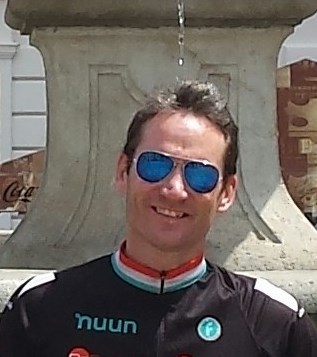
Author: Jason
Role: Founder & Lead Tour Director
Company: European Cycling Tours (ECT)
Expertise and Credentials
Jason is the Founder and Lead Tour Director for European Cycling Tours, bringing over 20 years of hands-on experience in professional cycle tour organisation, competitive cycling, and sports performance.
Professional Experience & Authority:
Lead Tour Organiser: Successfully organised and led over 100+ bespoke adventure cycle tours and events across 15 European nations for high-profile corporate and major UK charity clients. This involved complex logistics, route planning, safety protocols, and participant welfare management for groups ranging from 10 to 100+ riders.
Industry Foundation: Gained invaluable experience working with a leading UK outdoor adventure challenge company, specialising in large-scale international cycle event delivery.
Safety & Welfare: Holds a recognised qualification as a Certified Personal Trainer (PT), providing a detailed understanding of training adaptation, injury prevention, nutrition, and rider welfare essential for endurance cycling challenges.
Verifiable Trust: The extensive experience in managing tours for established corporate and charity organisations demonstrates a proven track record of professionalism, reliability, and robust safety management—key pillars of Trustworthiness.
Cycling Experience (E-A-T):
Competitive Background: An active endurance sports enthusiast, Jason has competed in numerous cycling, running, and swimming events across the South of England, including being crowned Regional Champion of a UK Sprint Triathlon Series.
Global Cycling Experience: Has personally cycled through most major European nations, alongside challenging international events, including the prestigious Pro-Am Cape Argus in South Africa.
Mechanical Competence: Possesses deep, practical knowledge of bicycle mechanics, ranging from vintage restorations to modern carbon fibre high-speed maintenance.
Commitment to European Cycling Tours (ECT)
At European Cycling Tours, Jason's primary focus, alongside the highly knowledgeable ECT team, is to leverage this professional expertise to deliver safe, meticulously planned, and truly life-enhancing cycling adventures for every client.
We specialise in translating your personal cycling goals into achievable, professionally-supported realities, offering expert guidance on training and preparation before you even reach the start line.Many thanks for your time reading about me and hope we might one day meet on a fantastic cycling holiday in somewhere in Europe!Contact Jason and the ECT team today to discuss your next European cycling challenge.