1. Why is the Transfăgărășan Highway considered the best road for cycling in Romania?
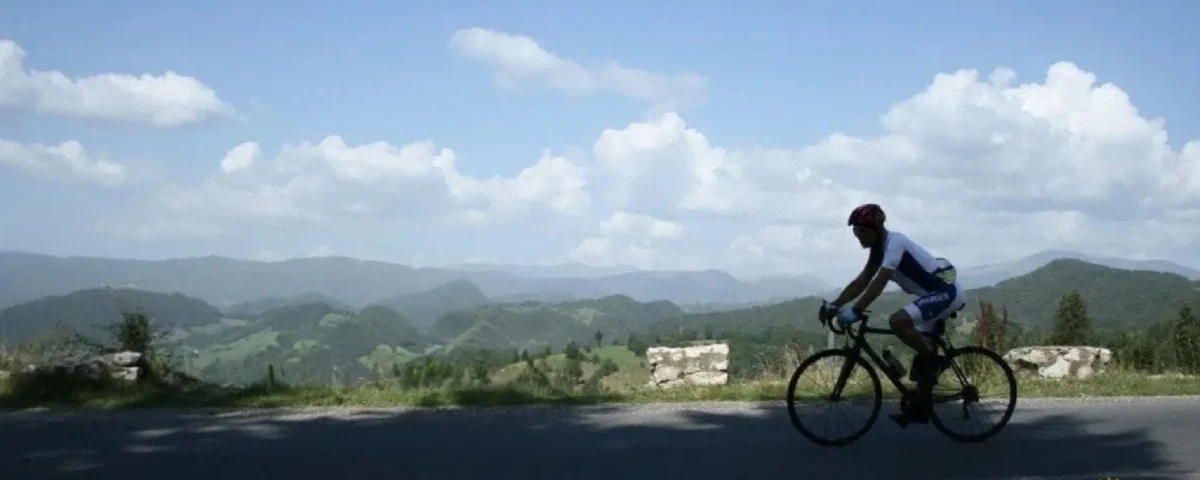
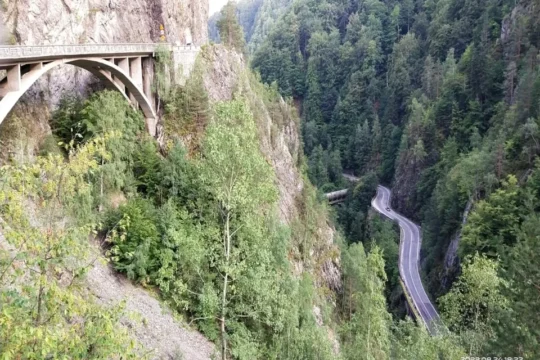
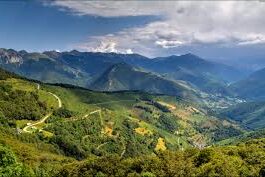
The Transfăgărășan Highway (officially the DN7C) is regarded as the premier cycling route in Romania because of its dramatic ascent through the Southern Carpathian Mountains. Reaching an altitude of 2,040 metres at Bâlea Lake, it offers a “Queen Stage” experience comparable to the iconic climbs of the French Alps. The road is famous for its massive elevation gain, sweeping hairpins, and the transition from dense forests to stark alpine landscapes, making it a “bucket-list” destination for serious road cyclists.
2. How difficult is the cycling route from Wallachia to Transylvania?
Cycling the Transfăgărășan is classified as a challenging to epic endeavour. The route involves a sustained climb of over 20km with gradients that frequently test endurance. However, because the road was engineered for military use, the gradients are remarkably consistent, allowing riders to find a steady rhythm. For those concerned about the physical demand, joining a supported tour with European Cycling Tours provides access to support vehicles (SADs), allowing cyclists to tackle the most scenic sections without the burden of heavy panniers.
3. When is the Transfăgărășan Highway open for cycling tours?
Due to its high altitude in the Făgăraș Mountains, the Transfăgărășan is typically only fully open from late June to late October. Heavy snowfall often closes the higher sections and the Bâlea Tunnel during the winter and spring months. For the best experience, UK cyclists should aim for July, August, or September to ensure stable weather conditions and the best visibility of the glacial lakes and mountain peaks.
4. What cultural landmarks are included on a Romania cycling holiday?
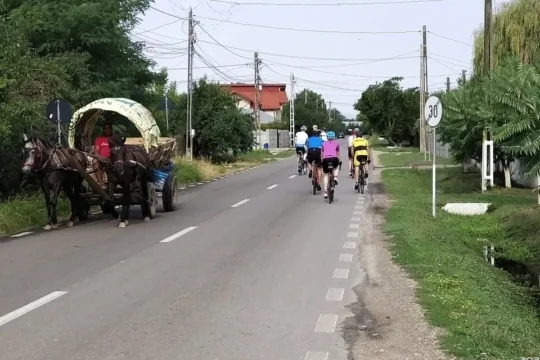
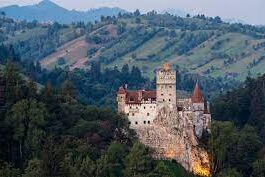
A cycling tour through this region is as much a cultural journey as a physical one. Key highlights include Bran Castle, famously associated with the Dracula legend, and the historic Vidraru Dam. Riders also pass through traditional Transylvanian villages and the Curtea de Argeș Monastery. Cycling allows for a “slow travel” perspective of these medieval sites, providing a deeper immersion into Romanian history than traditional bus tours.
5. Do I need a specific type of bike to cycle the Transfăgărășan?
While the Transfăgărășan is a fully paved asphalt road, a high-quality road bike with “compact” or “climbing” gearing is highly recommended due to the significant elevation gain. Many cyclists prefer 28mm or 30mm tyres for added comfort on some of the older sections of tarmac. If you are travelling from the UK, European Cycling Tours can often assist with bike hire or provide guidance on shipping your own road bike safely to Bucharest.
6. Is it safe to cycle in Romania regarding local wildlife and bears?
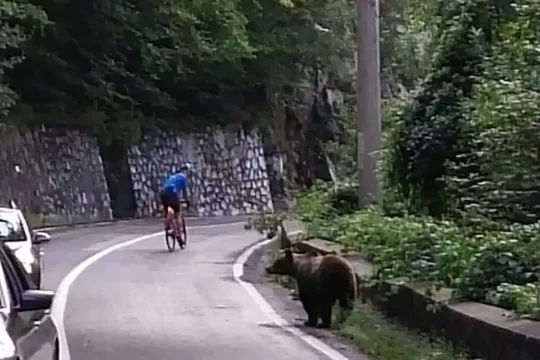
Romania is home to a significant population of European brown bears, which are occasionally spotted near the roadside on the Transfăgărășan. While this adds to the unique “wilderness” feel of the trip, safety is paramount. Cycling in a guided group is the safest way to navigate these areas, as professional guides are trained in wildlife protocols and support vehicles provide a safe barrier and immediate assistance if an encounter occurs.
7. What logistics are included in a supported Romania cycling tour?
A fully supported tour from European Cycling Tours removes the “friction” of international cycling travel. This includes airport transfers from Bucharest (OTP), pre-booked accommodation in mountain lodges and boutique hotels, luggage transfers between stages, and mechanical support. For the UK business owner or professional, this “turnkey” approach ensures that your limited time is spent on the bike enjoying the Carpathians rather than managing complex local logistics.