The Five Biggest Fears I Hear From Riders
After guiding riders across the Alps for many years, I hear the same concerns repeatedly.
The good news?
Most of them are far less problematic than people imagine.
“Am I Fit Enough?”
This is easily the most common question.
My answer is always similar.
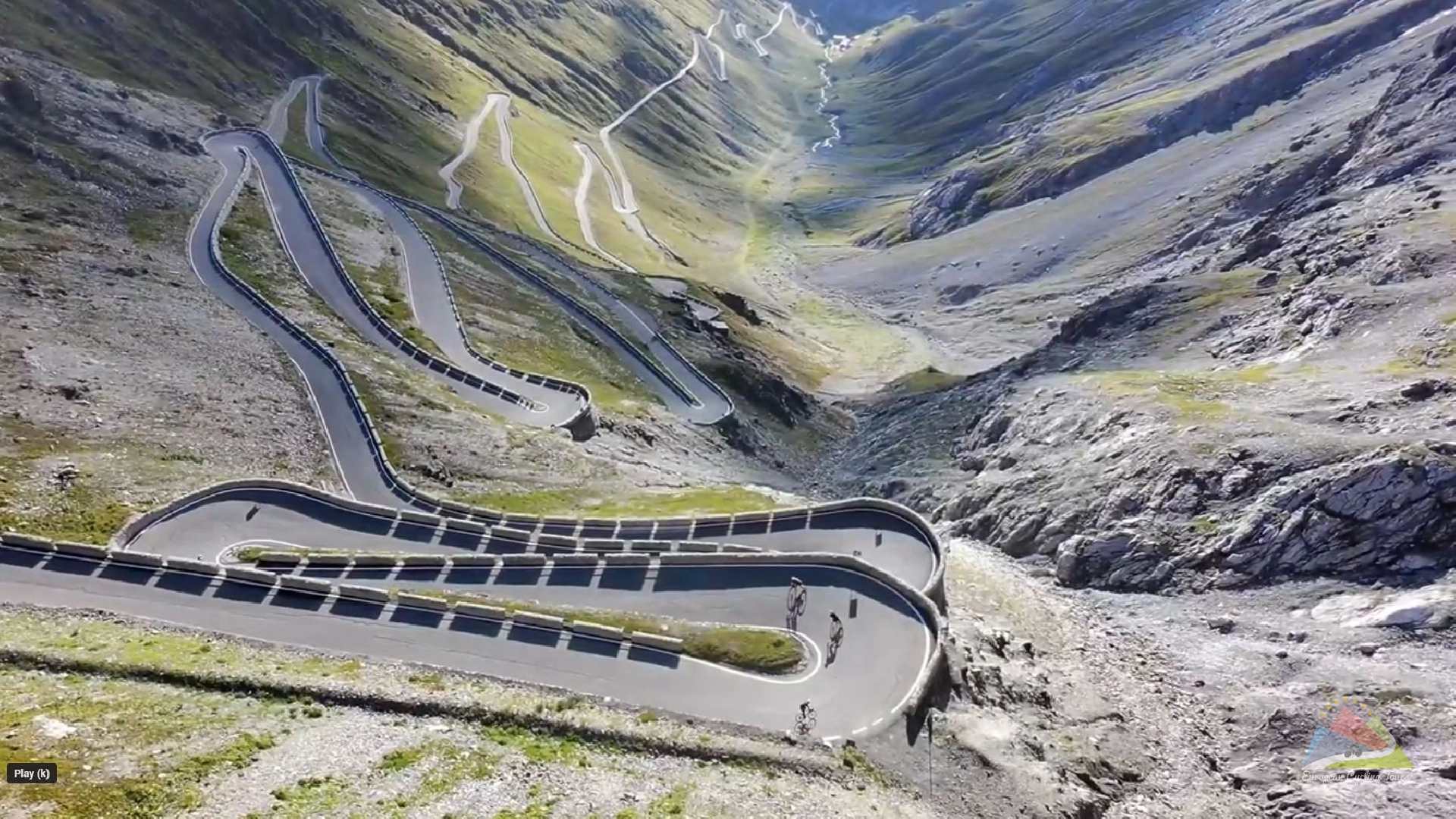
If you’re seriously considering a Trans-Alp cycling holiday, you’re probably already motivated enough to prepare properly. All of our Trans-Alp tours are graded according to difficulty. We also provide a structured training plan that allows riders to build climbing fitness and assess their progress before arrival. You do not need to be a professional cyclist, you do need to be comfortable riding regularly, tackling hills and spending consecutive days in the saddle.
For strong leisure cyclists who ride consistently, a Trans-Alp crossing is an achievable goal.
“What If I Can’t Complete A Climb?”
Everyone has difficult days – even experienced cyclists. The Alps have a way of reminding us that we’re human, that is precisely why support exists. On our guided crossings, the support vehicle is always available, sometimes a rider simply needs a short break, an hour of recovery can completely transform a day. Taking temporary assistance is infinitely better than ruining an entire holiday through stubbornness. The objective is to complete the crossing and enjoy the experience – Not prove a point.
“What If My Bike Breaks?”
Mechanical problems happen – the question is not if, the question is when!
Fortunately, guided tours provide solutions. Our support team carries tools and spare parts capable of resolving most roadside issues. If a more significant repair becomes necessary, we can arrange workshop attention while providing a replacement bike so the adventure continues. For many riders, that peace of mind alone justifies travelling with support.
“What If The Weather Is Terrible?”
Mountain weather is one of the great unknowns of any Alpine adventure. Even during the height of summer, conditions can change surprisingly quickly at altitude. Fortunately, experience goes a long way towards managing these challenges. One of the reasons we schedule our guided Trans-Alp cycle tours between May and September is because this is generally the “Goldilocks” period for riding in the Alps. The major passes are typically open, temperatures are comfortable and daylight hours are long.
Of course, no one can guarantee perfect weather.
What a guided tour does provide is local knowledge, route flexibility and experienced decision-making when conditions change. Having ridden these mountains for many years, I’ve learned that sometimes the smartest decision isn’t simply pushing on regardless. It’s adapting to conditions and making choices that protect both safety and enjoyment.
“What If I Get Dropped?”
This concern is far more common than most riders admit. The image many cyclists have of a guided Alps tour is a group disappearing into the distance while slower riders struggle alone.
The reality is completely different.
On our Trans-Alp crossings, riders climb at their own pace. Some riders naturally climb faster, others prefer a more measured approach – that is perfectly normal. Nobody should feel pressured to ride beyond their capabilities simply to stay on someone’s wheel. One of the wonderful aspects of mountain cycling is that everyone ultimately reaches the same summit – the only difference is how long it takes to get there. Our groups regroup at the top of major climbs, often in a welcoming mountain café, mountain hut or traditional trattoria where riders can relax, refuel and enjoy the incredible scenery together. Far from being left behind, many riders discover that these regrouping moments become some of the most enjoyable memories of the entire trip.