1. Which route is better for a London to Paris cycle: The Avenue Verte or the Classic route?
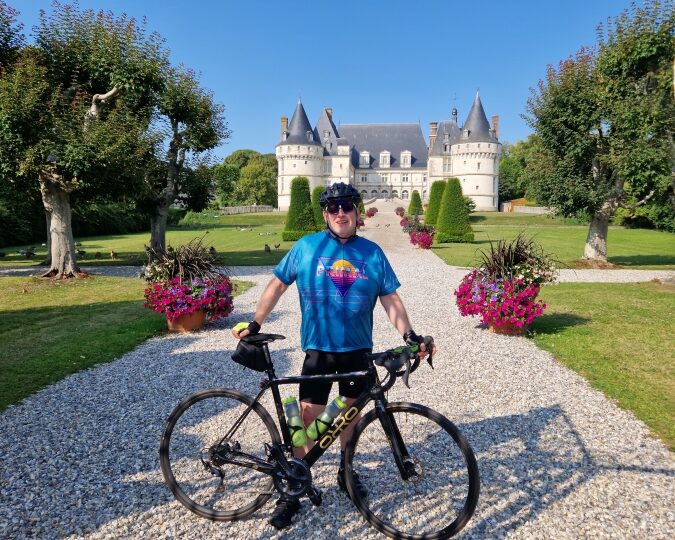
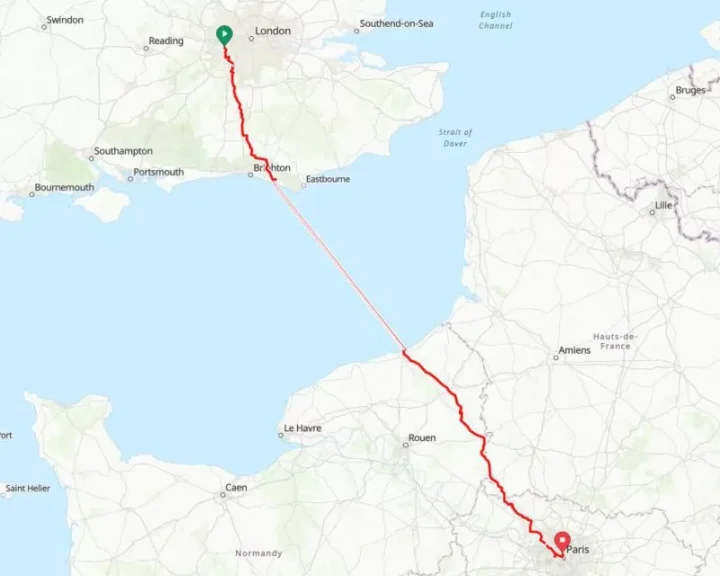
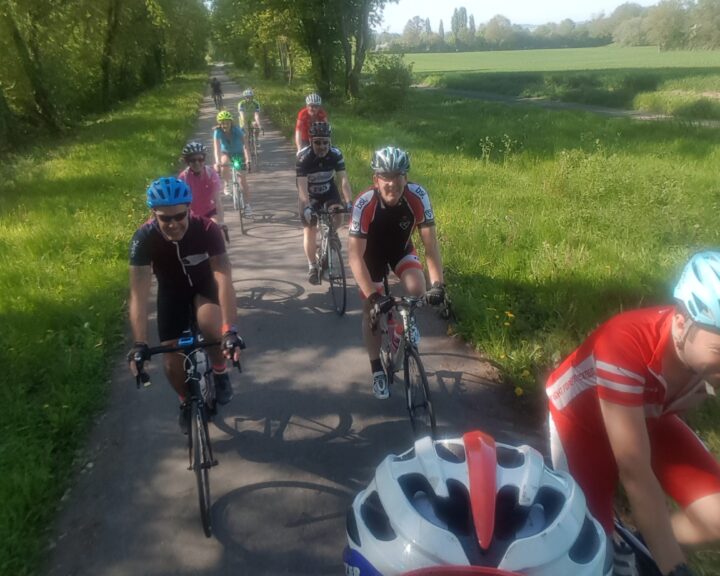
The “best” route depends on your priority. The Classic route (typically via Dover–Calais) is often faster and follows more direct roads, making it popular for charity speed challenges. However, we recommend the Avenue Verte (via Newhaven–Dieppe) as the superior choice for a cycling holiday. It utilizes significant stretches of traffic-free cycle paths on converted railway lines through Normandy. This route offers a safer, more scenic experience, allowing you to enjoy the French countryside without the stress of heavy traffic, eventually leading you through the Seine Valley and Versailles.
2. How difficult is the London to Paris bike ride for an average cyclist?
At European Cycling Tours, we grade our London to Paris ride as a 2.5/5 difficulty. This means it is an achievable challenge for most people with a moderate level of fitness. While you will encounter the rolling hills of the South Downs in the UK and some undulating terrain in Normandy, there are no “alpine-style” climbs. The real challenge is the “back-to-back” nature of the riding. We recommend that participants are comfortable riding 60–80 miles in a day before joining the tour.
3. What kind of bike should I use for a London to Paris tour?
A road bike is the most efficient choice for this 325km journey, as it allows for easier climbing and better speed on flat sections. However, because large portions of the Avenue Verte are paved and well-maintained, gravel bikes and high-quality hybrid bikes are also perfectly suitable. We also welcome E-bike riders, provided your battery capacity is sufficient for daily stages or you carry a spare, which our support vehicle can transport for you.
4. How does the Support and Assistance Driver (SAD) system work?
The SAD (Support and Assistance Driver) is a key feature of our guided tours. Our professional support vehicle stays with the group (or nearby at designated meet-points) to provide:
Luggage Transfer: Your bags are transported from hotel to hotel.
Mechanical Support: Assistance with punctures or minor repairs.
Nutrition & Hydration: A constant supply of water, energy bars, and fruit.
Peace of Mind: If you are feeling unwell or fatigued, the vehicle serves as a “broom wagon” to give you a lift to the next stop.
5. What is the Newhaven–Dieppe ferry crossing like for cyclists?
Choosing the Newhaven to Dieppe crossing is a strategic advantage for our tours. It allows for a more relaxed departure from the UK after a day of riding through Surrey and Sussex. The crossing takes approximately four hours, providing a perfect mid-tour break to refuel and rest your legs. Upon arrival in Dieppe, you are immediately positioned at the start of the French section of the Avenue Verte, avoiding the industrial traffic often associated with the Calais port.
6. Do I have to navigate the route myself?
No. All our London to Paris tours are fully guided by experienced cycle leaders who know the route intimately. You don’t need to worry about maps or GPS devices unless you want to; you can simply focus on the ride and the scenery. We also provide GPX files for those who prefer to have the route on their own head unit (like a Garmin or Wahoo) for extra confidence.
7. How do I return to London after finishing at the Eiffel Tower?
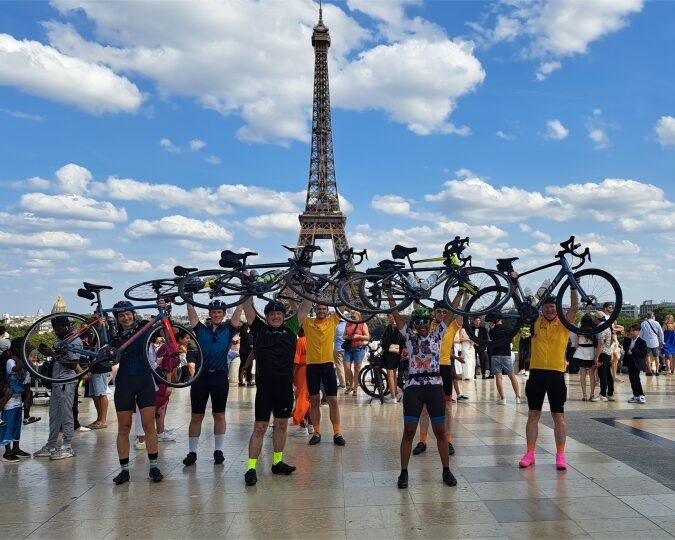
Most of our riders return to the UK via the Eurostar from Paris Gare du Nord to London St Pancras. This is the fastest and most comfortable way to travel home. While you enjoy the high-speed train, our support team takes care of the logistics for your equipment. We transport all guest bicycles back to London in our secure vehicles, where you are reunited with your bike at a pre-arranged meeting point near the station.
8. What should I include in my training for a 3 or 4-day trip?
The most important part of your training is getting your body used to back-to-back riding days. In the 10–12 weeks leading up to the trip, we suggest doing at least one “double-header” weekend where you ride on both Saturday and Sunday. This conditions your muscles (and your seat!) for the demands of a multi-day tour. Don’t worry about speed; focus on “time in the saddle” and building a base level of endurance.