Choosing the Best Bike for a Cycling Holiday in Europe: A Cyclist’s Guide


- The Importance of Choosing the Right Bike: The right bike significantly influences comfort, climbing efficiency, descending confidence, fatigue, puncture risk, and overall enjoyment during a European cycling holiday.
- No One-Size-Fits-All Bike Solution: The ideal bike depends on terrain, road surface, weather, tour structure, and rider fatigue, meaning different regions require different setups.
- Key Features of the Best Cycling Bike in Europe: A well-fitted road bike with 28–30mm tyres, hydraulic disc brakes, compact gearing, and endurance geometry is generally suitable, but regional conditions may demand adjustments.
- Terrain and Region-Specific Bike Recommendations: Bike choices vary by terrain: UK rides often need wider tyres, Alps/Pyrenees require lightness and strong brakes, while Northern Europe favors lightweight, high-performance bikes.
- Components That Impact Performance the Most: Tyres, gearing, brakes, and wheel durability are critical components; investing in quality tyres and appropriate gearing can make a significant difference in performance and safety.
If you’re planning a cycling holiday in Europe, one question matters more than any other…
What is the best bike for a cycling holiday in Europe?
It’s the question on every cycle tourer’s lips — whether you’re preparing for the Alps, exploring Italy, riding the rolling lanes of the UK, or cruising the smooth cyclepaths of Northern Europe.
The right bike will shape your entire experience.
It influences:
Comfort over consecutive days
Climbing efficiency
Descending confidence
Fatigue levels
Mechanical reliability
And ultimately, how much you enjoy the journey
Choose well, and your bike becomes almost invisible beneath you — efficient, predictable and supportive. Choose poorly, and every climb feels steeper, every descent more tense, and your fitness may feel unfairly exposed. After many years cycling, living and guiding across Europe — including the UK, the Alps, the Pyrenees and Italy — I’ve seen which bike setups thrive and which ones quietly undermine riders. This guide explains exactly how to choose the best bike for a cycling holiday in Europe based on terrain, road conditions, tour structure and rider ability.
Why There Is No One-Size-Fits-All Answer
Short Answer…
The best bike for a cycling holiday in Europe is usually a well-fitted road bike with:
28–30mm tyres
Hydraulic disc brakes
Compact gearing (50/34 chainset with 11–30 or 11–32 cassette)
A comfortable, endurance-oriented geometry
However, the ideal bike depends on where you are riding. A UK cycling holiday may favour wider tyres or a gravel bike, while an Alpine or Italian cycling tour prioritises lightweight efficiency and strong braking performance.
The Complete Answer
There is no single “perfect” bike for every European cycling holiday.
Instead, the correct choice depends on five critical factors:
🚲 🚲 🚲 🚲 🚲
The Five Factors That Determine the Right Bike
Terrain profile – flat, rolling or mountainous
Road surface quality – smooth asphalt or rough chipseal
Weather exposure – dry alpine air vs wet British lanes
Tour structure – supported cycling tour or self-guided
Cumulative fatigue – multiple riding days back-to-back
For example:
The best bike for a cycling holiday in the UK often includes 30–32mm tyres to absorb rough road vibration.
The best bike for an Alps cycling holiday requires compact gearing and hydraulic disc brakes for long descents.
The best bike for a cycling holiday in Italy is typically a quality road bike with at least 28mm tyres and strong wheels to handle variable road surfaces.
In Northern Europe, a lightweight road bike performs beautifully on smooth, well-maintained cycle routes.
Understanding these differences is the key to choosing the right setup.
And when you get that setup right, something important happens:
- Your bike stops being something you think about!
- It simply works — allowing you to focus on the mountains, the countryside, the café stops and the rhythm of the ride.
Why This Guide Exists
In all my years guiding and supporting riders in all regions of Europe whether it’s through the UK, over the Alps or Pyrenees or our classic ride across Italy — a recognizable pattern repeats…
🚲
Two cyclists arrive equally fit.
One finishes the week energised, confident and already planning their next trip.
The other finishes tired, tense, slightly disappointed — wondering why it felt harder than expected.
More often than not, the difference isn’t fitness…
It’s bike choice!
This guide exists to remove that risk.
If you are planning to ride one of our:
A UK cycling tour
Alpine mountain holidays
One of our ‘Experience’ Majorca or Tenerife cycling weekends
Our classic London to Paris bike ride
Or any of our supported cycling tour anywhere in Europe
You should finish this article knowing exactly what bike to ride — and why.
The Core Principle: Terrain Dictates Setup
- Forget brand loyalty.
- Forget marketing hype.
The best bike for a cycling holiday in Europe depends on:
Road surface
Elevation profile
Weather variability
Tour structure (supported vs self-guided)
Cumulative fatigue over multiple days
Let’s break this down region by region…
The UK – Demanding, Beautiful, and Mechanically Honest

“Explore the United Kingdom’s rolling rural lanes on a professionally supported road cycling tour. Our group riding style ensures safety and confidence, allowing you to focus on the rewarding challenge of the ride.”
If you are joining one of our UK cycling holidays, understand this:
British roads are charming — but imperfect.
You’ll encounter:
Rough chipseal
Hidden potholes
Drainage channels
Narrow lanes
Repeated short climbs (10–20%)
Unpredictable weather
Best Bike for a UK Cycling Holiday
Gravel bike – mixed surface likely – taking every advantage of the fantastic ancient ‘greenways’ and lanes the UK is blessed with.
Road bike with 32–38 mm tyres (high puncture resistant rating)
Disc brakes recommended (mechanical or hydraulic)
Why 32–38mm?
Because vibration fatigue compounds across consecutive days of rising uneven surfaces.
These wider puncture resistant tyres will:
Reduces arm fatigue
Improves grip in wet corners
Lowers puncture probability
Preserves energy
If you’re considering one of our UK tours, I would always advise tyre volume over aero advantage!
Northern Mainland Europe – Efficiency Territory

“Northern Europe + Pristine Cyclepaths + Supported Touring + Effortless Flow. Experience the smooth surfaces of the Netherlands and Belgium on a guided tour designed for comfort, reliability, and the joy of discovery.”
Here the conversation changes.
Roads in northern Europe are generally:
Smooth
Predictable
Well-maintained
More often separated from traffic
If you’re booking a flat or rolling European cycling tour, this is road-bike paradise.
Best Bike for Northern Europe
Carbon road bike
Aluminium road bike
28mm tyres ideal
You can prioritise lightness and responsiveness.
This is where a performance road bike feels exactly as intended.
The Alps & Pyrenees – Where Bike Choice Truly Matters

“The French Pyrenees offer iconic switchback climbs and technical descents for road cycling enthusiasts. Testing your endurance on these legendary peaks provides a sense of total freedom with professional support.”
When riders ask me about the best bike for an Alpine cycling holiday, the tone changes.
Because here:
8–12% gradients last for 60–90 minutes
Descents stretch 15–20km
Braking systems are stressed
Cadence discipline matters
The Best Bike for cycling the mountain regions of Europe:
Lightweight carbon road bike
Quality aluminium road bike
Hydraulic disc brakes
28mm tyres
Compact gearing (50/34 + 11–30 or 11–32)
If you’re considering one of our Pyrenees or Alp climbing tours:
→ Discover our Pyrenees Cycling Holiday
Never forget:
➡ The wrong gearing here will ruin your week.
➡ The wrong braking system will make descents tense rather than exhilarating.
➡ Mountains expose poor decisions.
What Is the Best Bike for a Cycling Holiday in Italy?

“Explore the Northern Italy valley region where challenging switchbacks give way to smooth tarmac meets. This road cycling style demands a reliable setup to ensure every participant feels the exhilaration of the Italian cycling experience.”
Why Italy cycling deserves attention.
Because over the years I’ve had many people ask:
“I’ve heard Italy has the worst roads in Europe… what is the best bike for a cycling holiday in Italy?”
Here’s the truth.
Italy is inconsistent — not catastrophic!
In Tuscany, you’ll ride beautiful rolling terrain but beware those patchy town roads and cobbles.
In the Dolomites, the quality is generally immaculate and your climb experience will be heavenly but keep your eyes peeled in the towns.
In quieter rural areas, you WILL encounter patched or cracked surfaces.
Always remember in Italy, no matter where you are, you will experience random variable changes to the road surface at some point – it’s just to which severity!
Whether it’s poor maintenance or just an old worn out road – you will have to ride over it and it will be your cycle line in the ‘inner’ track of the road. It’s my theory that’s why so many cars ‘near misses’ in Italy because they are driving down the middle of the road to avoid this ‘rough’ track area.
So What Is the Best Bike for a Cycling Holiday in Italy?
Almost any quality road bike is suitable:
High-end carbon
Aluminium
Traditional steel
But you must adjust intelligently.
My Clear Recommendation for Italy
Minimum 30mm (good quality, robust) tyres
Strong, well-built wheels
A good supply of inner tubes
Spare spoke(s)
If you’re joining one of our Italian cycling holidays:
→ Explore our Italy Cycling Holidays
Italy rewards preparation — not fear.
A well-set-up road bike will perform beautifully for many happy miles of wonderful Italian cycling!
Deep Dive: Components That Actually Matter
Be prepared for the adventure too…

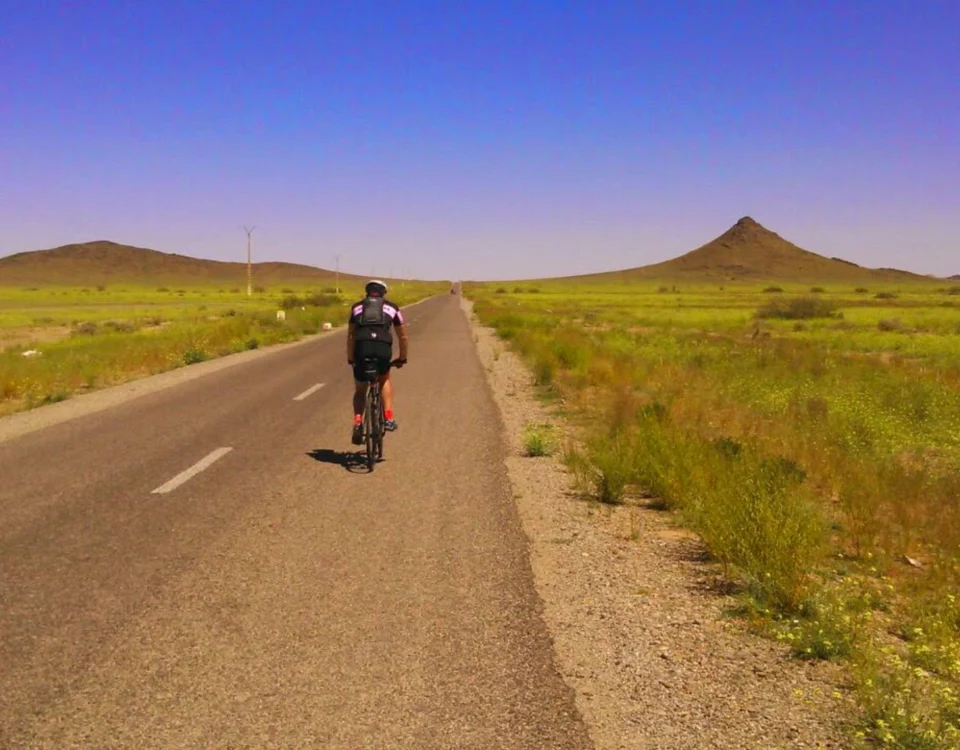
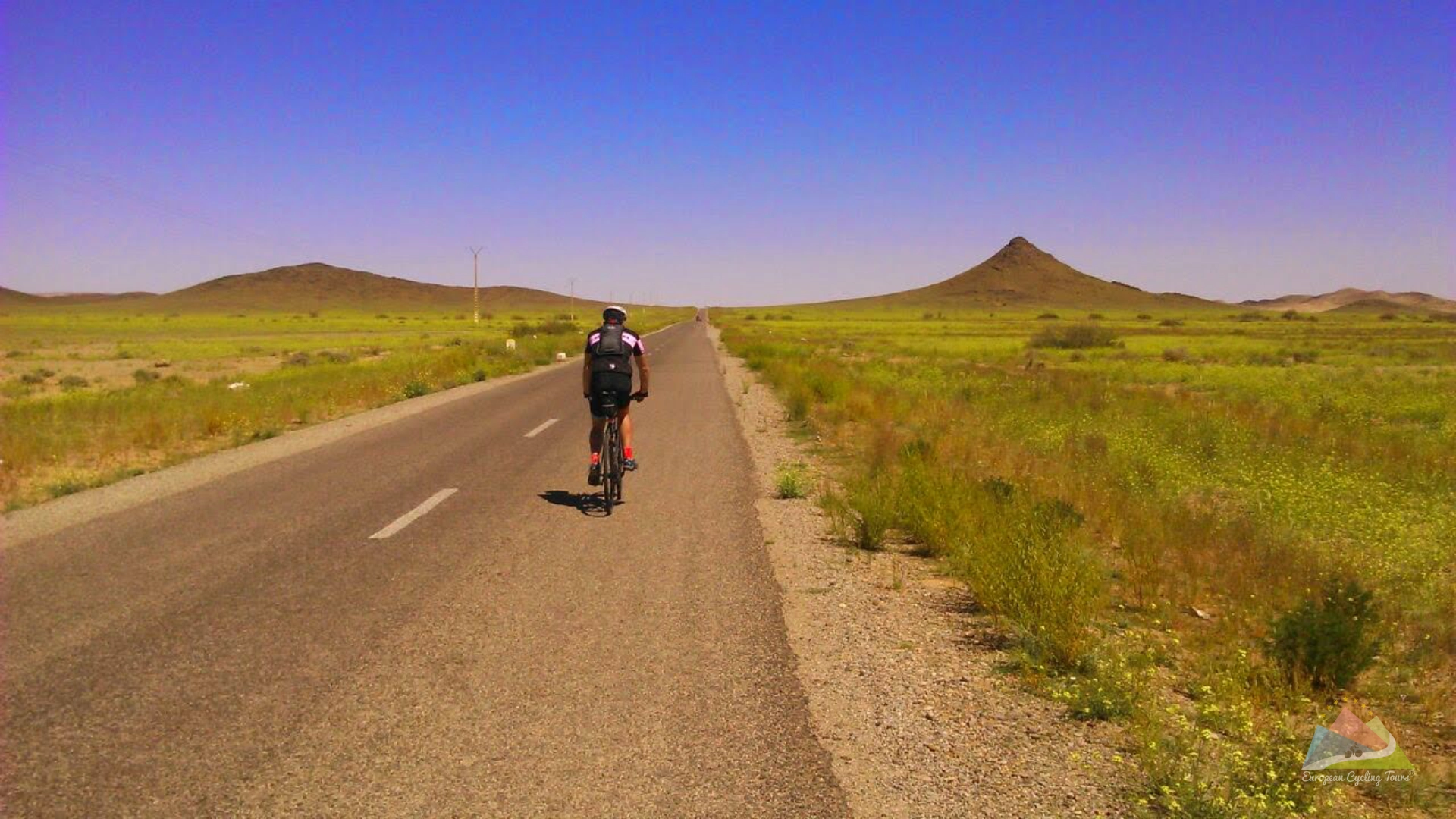
“Exploring remote European regions often involves variable road surfaces and rural obstacles. A reliable robust endurance bike provides the comfort needed for rough terrain, ensuring a safe and memorable experience.”
Tyres: Real-World Rolling Resistance vs Lab Numbers
Modern research consistently shows:
28–30mm tyres often roll faster on imperfect surfaces than 23–25mm tyres.
Why?
Because vibration costs energy.
Wider tyres:
Improve compliance
Increase grip
Reduce punctures
Improve comfort
For most European cycling holidays:
28mm is the minimum intelligent baseline.
Don’t forget; when it comes to tyres, you get what you pay for!
I would always recommend investing in ‘top-end’ puncture resistant tyres – these will see you well for many miles happy cycling – THIS IS AN INVESTMENT!
Avoid entry level ‘budget tyres’ and/or super lightweight ‘skinny’ tyres – neither will see you well through your multi-day cycle tour.
18-23 mm tyres are for the velodrome – not for multi-day touring on variable road surfaces!
Gearing: Ego Is Expensive
In the Alps, Dolomites or Pyrenees:
If you arrive with a 52/36 and 11–28 cassette — you may survive.
But you won’t thrive.
Compact gearing preserves:
Cadence
Knee health
Recovery
Enjoyment
Note on groupset choice: For cycle touring, my recommendation is ‘keep it mechanical’! Electronic groupsets are great when they work but when they go wrong it’s often a replacement part required – not ideal on tour. If you are going to take your electronic groupset to a cycle tour, make sure you have read the manual ‘inside out’ and know all there is to know on error codes and resets! Also ensure things are charged and wiring is in good condition (no exposed dangly bits)!
Brakes: The Psychological Advantage
Hydraulic disc brakes are not just mechanical improvements.
They provide confidence.
Confidence reduces tension.
Reduced tension preserves energy.
That’s significant across big days in the mountains.
The Experience Factor: How the Right Bike Changes Everything
I’ve watched riders descend Alpine passes visibly tense.
- White knuckles.
- Over-braking.
- Forearm fatigue.
I’ve watched others descend smoothly — relaxed, controlled, confident.
The difference is usually setup.
When your equipment matches terrain:
- You think about scenery.
- Not survival.
That changes the entire holiday!
The Fitness Illusion
Here’s something important.
The wrong bike makes you feel less fit.
- Too much gearing? You grind.
- Too narrow tyres? You fatigue early.
- Weak brakes? You grip constantly.
You assume your conditioning is lacking.
In reality, your equipment is costing you efficiency.
The right bike never betrays your fitness – It allows it to express fully!
Supported vs Self-Guided: The Structural Variable
On supported tours:
Mechanics
Spare wheels
Full toolkit
Backup vehicle
You can ride lighter, more performance-focused bikes confidently.
On unsupported tours:
Durability increases in importance
Wheel strength matters more
Tyre choice becomes conservative
Bike choice should reflect structure.
The Universal Setup That Covers 90% of European Cycling Holidays
If I had to recommend one versatile setup:
Carbon or quality aluminium road bike
- Robust wheelset [important] – not entry level or super lightweight ‘racing’ wheels.
Hydraulic disc brakes
28–30mm tyres
Compact gearing
Professional bike fit
That setup will see you well cycling in almost any region of Europe.
Avoid:
- Superbikes – high spec carbon fibre ‘Aero’ bikes are NOT for designed for cycle touring. These bikes are designed for single day racing! They might get scores for looks but by half way through day 2 you will be suffering (not good for morale)! Also when things start to break, you are not likely to find any (high spec) parts at LBS deep in your tour.
- Entry level ‘low budget’ bikes – these are great for weekend family leisure riding or for your commute but generally they are heavy with low level production components and consequently you will struggle with comfort and pace ultimately compromising your strength & morale.
- Bikes with ‘trick’ or unique components – trends and ‘fads’ come and go in cycling production (maintenance) and sometimes bikes appear on a tour with some component new (or old) which is not easily repairable if at all!
Final Thought
The best bike for a cycling holiday in Europe is not the most expensive one.
It’s the one correctly matched to:
Terrain
Conditions
Structure
Duration
Your physiology
Set up properly, your bike becomes invisible – and that’s the highest compliment you can give equipment.
Thank you for your time reading this, hope you found this article helpful.
See you out there… 🚴♂️🚴♀️
— Jason

Europe features iconic pass roads and steep gradients. Professional road cycling tours provide the support and logistics needed for every rider to experience the pure joy of a successful summit.